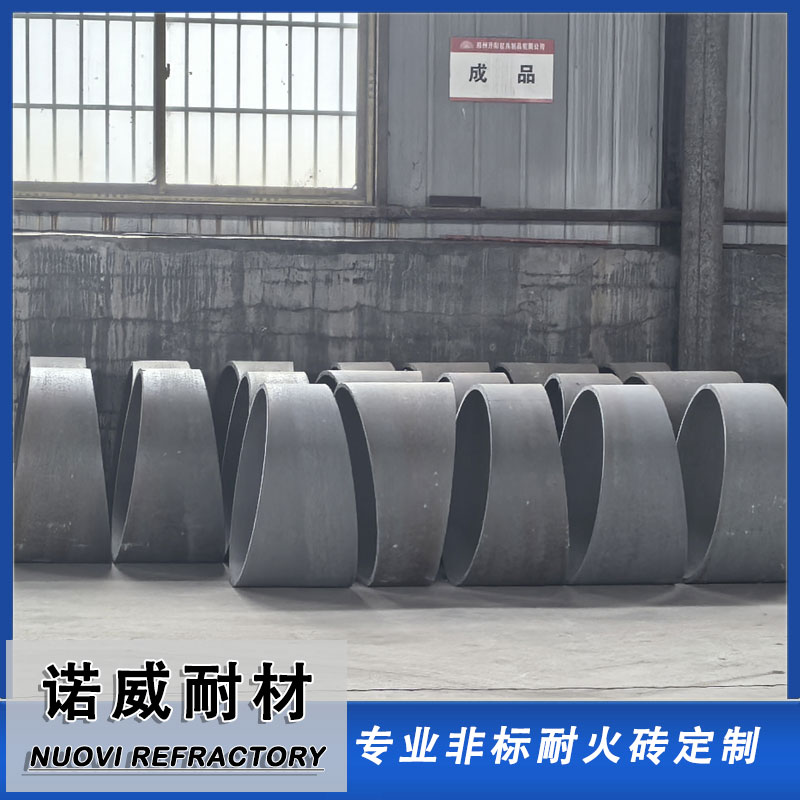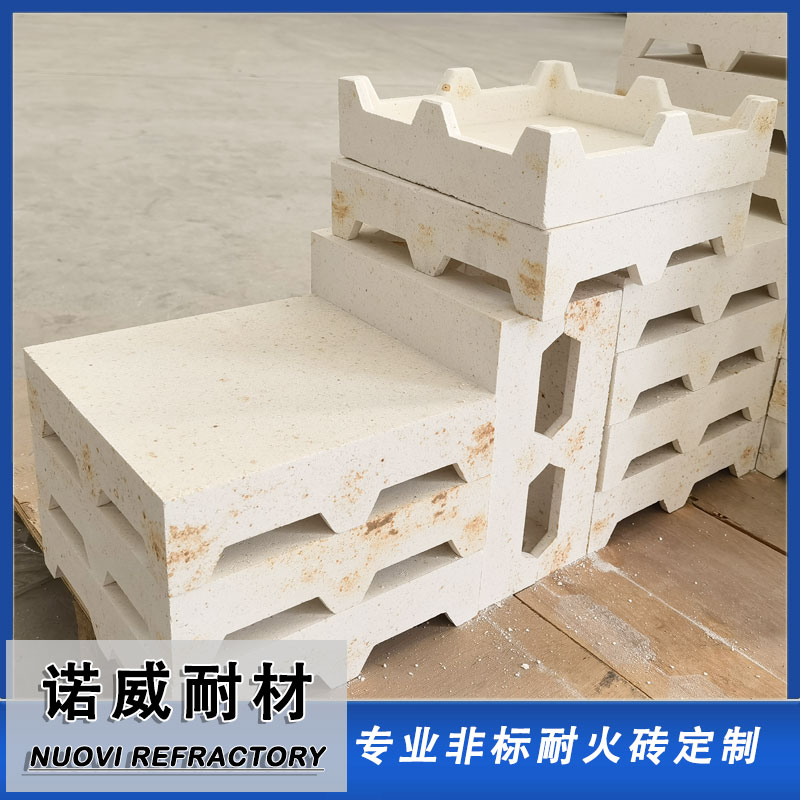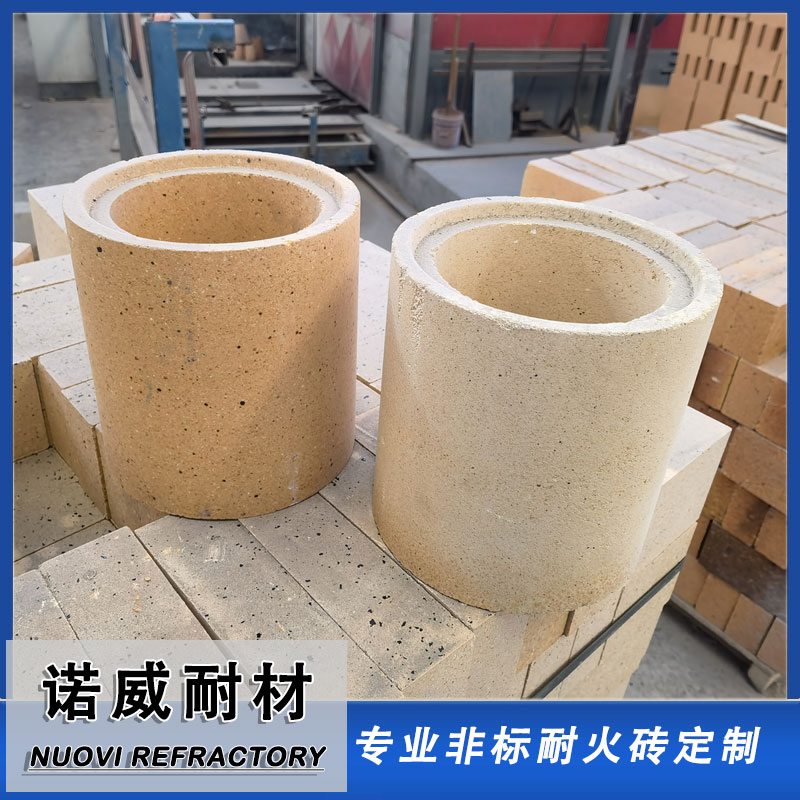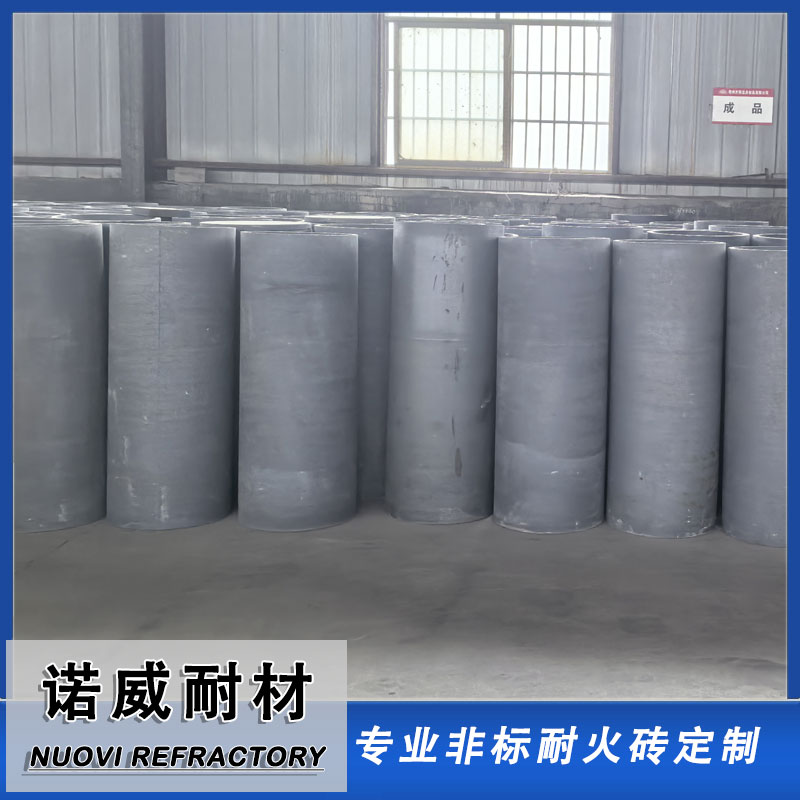
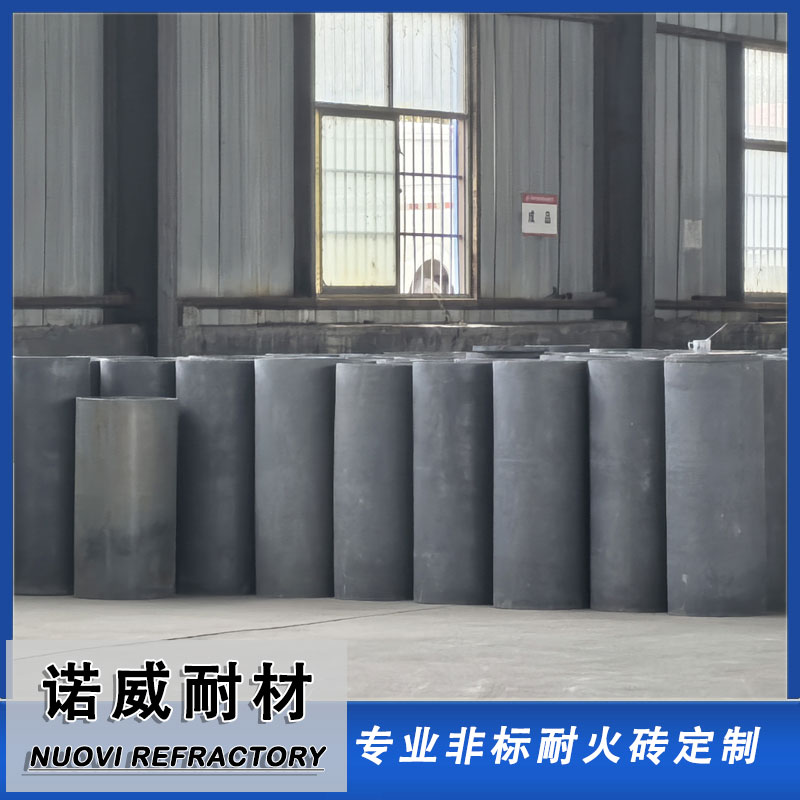
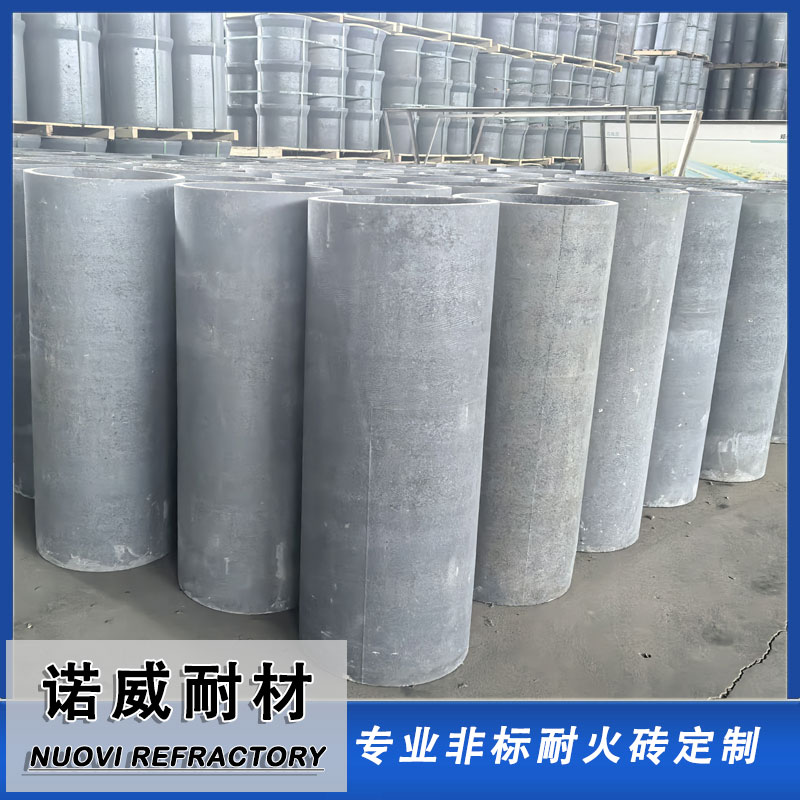
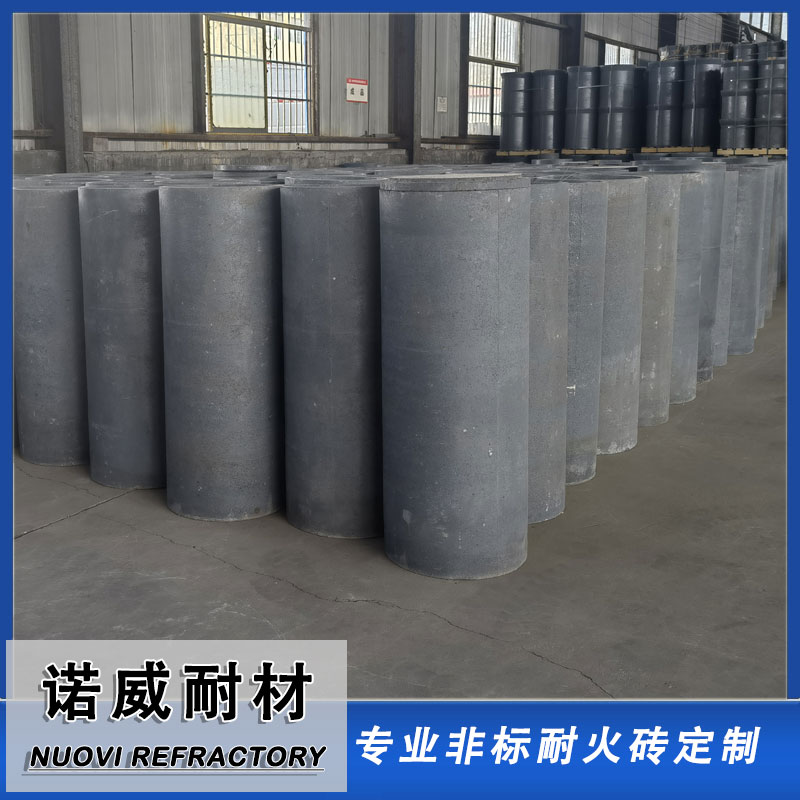
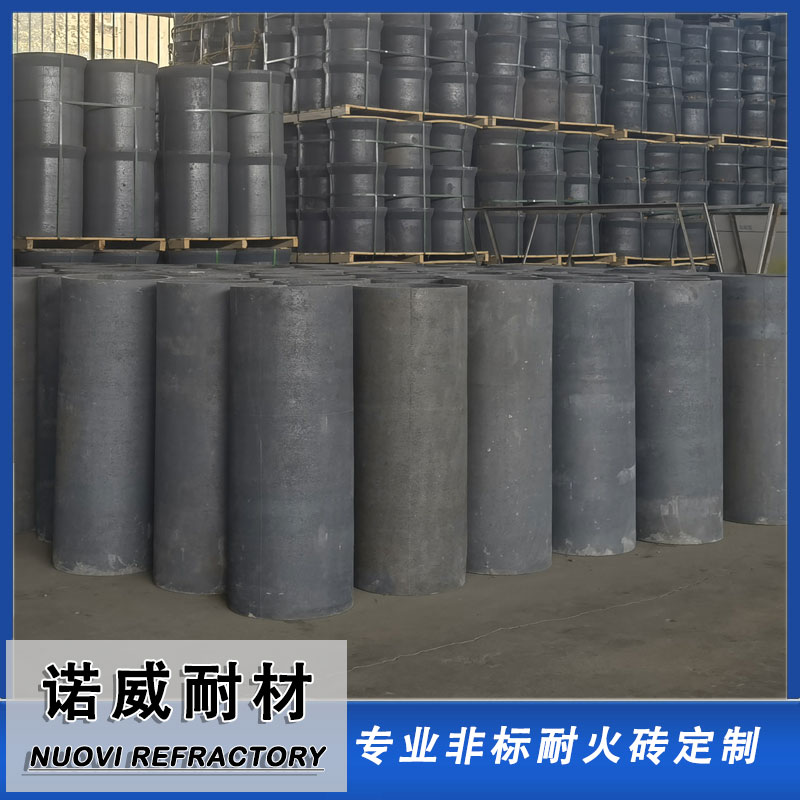
Silicon Carbide Saggar
Silicon Carbide Products SeriesSilicon Carbide Saggars are engineered kiln containers fabricated from ultra-pure silicon carbide via high-precision casting and sintering. Providing ultra-high thermal conductivity, outstanding thermal cycling durability, superior resistance to alkali vapor/lithium attack, and zero creep deformation at high temperatures to maximize kiln throughput and product yield.
| Parameter | Specification |
|---|---|
| Material | Recrystallized SiC (RSiC) / Reaction Bonded SiC (SiSiC) |
| Max Service Temperature | 1450°C ~ 1650°C |
| Bulk Density | 2.70 ~ 3.05 g/cm³ |
| Cold Crushing Strength | ≥ 120 MPa |
| Bending Strength (1400℃) | ≥ 50 ~ 100 MPa |
| Thermal Conductivity (1000℃) | ≥ 28 ~ 42 W/(m·K) |
| Thermal Shock Resistance (1100℃ Water Quench) | ≥ 30 cycles without cracking |
Material Introduction
Silicon Carbide (SiC) saggars serve as vital high-efficiency kiln furniture. In comparison with conventional cordierite-mullite or corundum saggars, SiC exhibits 3 to 5 times higher thermal conductivity and a substantially lower coefficient of thermal expansion. This ensures fast, uniform temperature distribution across roller kilns and pusher kilns, eliminating thermal gradients and drastically enhancing powder sintering consistency.
SiC saggars feature high creep resistance and superior load-bearing capacity under sustained high temperatures, preventing sagging, warping, or dish distortion. The dense refractory surface resists chemical erosion from lithium salts and corrosive sintering atmospheres, safeguarding powder purity and ensuring a prolonged cycling lifespan.
Product Features
- High Thermal Conductivity & Energy Savings: Rapid heat transfer helps shorten soak cycles and reduce kiln power consumption.
- High Thermal Shock Resistance: Low thermal expansion allows rapid heating and cooling cycles with a lower risk of cracking.
- High Temperature Strength & Anti-Warpage: Helps maintain structural integrity and flat geometry after repeated high-temperature firings under load.
- Chemical Corrosion & Anti-Sticking Resistance: Resists lithium vapor, alkalis, and protective gas atmospheres, preventing material contamination.
- Versatile Custom Configurations: Available in single/multi-compartment rectangular saggars, round saggars, perforated saggars, and customized modular designs.
Specification Parameters
| Property | Unit | Recrystallized SiC (RSiC) | Reaction Bonded SiC (SiSiC) | Nitride Bonded SiC (NSiC) |
|---|---|---|---|---|
| SiC Content | % | ≥ 98 | ≥ 88 | ≥ 75 |
| Bulk Density | g/cm³ | ≥ 2.70 | ≥ 3.02 | ≥ 2.65 |
| Apparent Porosity | % | ≤ 15 | ≤ 0.5 | ≤ 14 |
| Flexural Strength (20℃) | MPa | ≥ 90 | ≥ 250 | ≥ 160 |
| Flexural Strength (1400℃) | MPa | ≥ 100 | ≥ 280 (1200℃) | ≥ 180 |
| Refractoriness Under Load (0.2MPa) | ℃ | > 1700 | > 1380 | > 1650 |
| Max Service Temperature | ℃ | 1650 | 1380 | 1500 |
| Thermal Conductivity (1000℃) | W/(m·K) | ≥ 30 | ≥ 42 | ≥ 22 |
| Thermal Shock Cycles (1100℃ Water Quench) | Cycles | ≥ 35 | ≥ 30 | ≥ 25 |